

Table of Contents
- Wood Species and Grade
- Room Size and Layout
- Subfloor Preparation
- Installation Method
- Labor Costs
- Finishing Touches
- Geographic Location
- Additional Costs
Hardwood floors are renowned for their timeless elegance and durability, and they can dramatically elevate the ambiance and value of any home. However, understanding what affects wood floor installation costs is crucial for homeowners planning to upgrade their floors. Many first-time installers are surprised by the numerous variables that contribute to the final price of a hardwood floor. Knowing what to expect will empower you to plan effectively and avoid unexpected expenses. For a comprehensive breakdown of wood floor installation costs, exploring reputable guides is an excellent starting point as you begin your project.
From the type and grade of wood to room layout and regional labor rates, multiple factors will influence both the aesthetics and the costs of wood floor installation. Thoughtful planning and consideration of each element are crucial in creating a space that aligns with your vision without exceeding your budget. Additionally, it’s essential to consult with experienced installers and obtain multiple quotes before making a final decision, as their expertise can often uncover additional considerations that may affect your total cost.
Wood Species and Grade
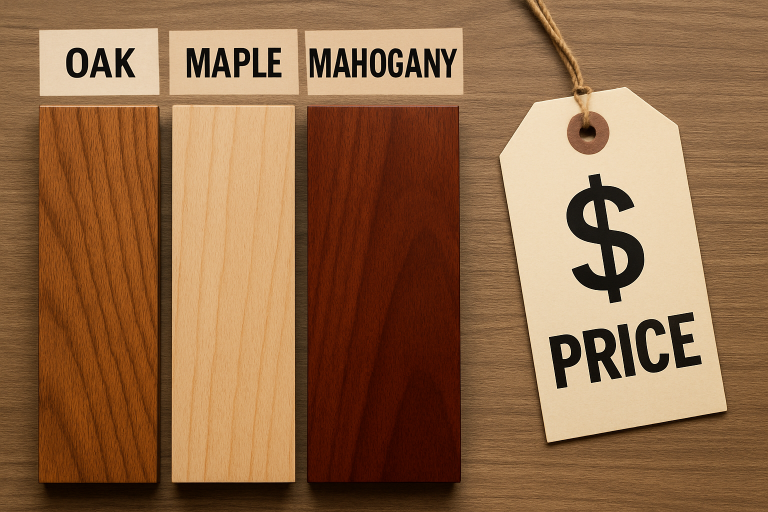
The cost of installing hardwood floors largely hinges on the species and grade of wood you choose. Popular domestic wood like oak, maple, and hickory tends to be less expensive due to their abundance and accessibility. In contrast, exotic woods such as Brazilian cherry, mahogany, and teak are often more expensive due to their rarity and high import costs. Beyond species, the grade (which refers to the visual uniformity and presence of natural marks or knots) also impacts price. Clear-grade planks, prized for their uniform look and minimal imperfections, come at a premium, while rustic grades celebrate natural markings and are more affordable for those who appreciate character.
Room Size and Layout
The dimensions and configuration of your space have a direct effect on overall cost. Larger spaces require more materials, naturally increasing total expenses; however, the cost per square foot may actually decrease due to bulk pricing or labor efficiencies. Complex or irregular room layouts introduce additional installation challenges; every angle, alcove, or built-in feature demands extra time and precision from installers. The more intricate your space, the higher the anticipated labor costs, as installers need to make numerous custom cuts and adjustments.
Subfloor Preparation
A well-prepared subfloor is vital for optimal hardwood installation. If your subfloor is uneven, damaged, or shows signs of moisture problems, it will likely require repairs, leveling, or the application of a moisture barrier. These steps are critical to prevent future issues such as warping or noisy floors, but they also add time and cost to the project. Underlayment is another consideration, especially for homes in humid or variable climates, as it provides a stable foundation and can reduce noise.
Installation Method
The method you choose for installing your hardwood floors—nail-down, glue-down, or floating—affects both labor intensity and material requirements:
- Nail-Down: Typically used for solid hardwood over wood subfloors, this method is secure and long-lasting, but it is labor-intensive. It demands specialized skills and equipment, increasing overall costs.
- Glue-Down: Commonly used for engineered woods or installations over concrete, this approach requires additional materials, such as adhesive, which impacts the budget and installation timeline.
- Floating: Planks are not attached to the subfloor but rather interlock with each other, making for a quicker and often more cost-effective installation. However, it is unsuitable for certain wood types and scenarios.
Labor Costs
Labor expenses will fluctuate based on the complexity of the installation and the average wage in your area. If you seek unique designs—such as a herringbone or parquet pattern—expect to pay more for the added intricacy. Installers with a proven track record and high demand may also command higher rates, but their expertise can offer peace of mind and more reliable results. To avoid being caught off guard, ask for detailed estimates that include labor hours and the experience level of your installers. As noted by Better Homes & Gardens, always request references and portfolios before committing to a contractor.
Finishing Touches
Your decision between pre-finished and unfinished wood not only affects installation time but also overall price. Pre-finished boards are coated at the factory, resulting in a quicker installation process and lower labor costs. Unfinished flooring, although typically less expensive in terms of materials, requires sanding, staining, and sealing after installation—resulting in higher labor costs and extended project timelines. For those seeking a custom color or finish, unfinished floors provide the flexibility to personalize, but come with an increase in total costs.
Geographic Location
Where you live profoundly shapes the overall expense of hardwood floor installation. High-cost-of-living urban areas often mean pricier labor and potentially increased material costs due to supplier mark-ups and shipping. Conversely, rural areas may offer lower labor rates but reduced selection or higher delivery fees. Regional trends in home renovation and material popularity can further impact standard rates in your area.
Additional Costs
Complete budget planning for hardwood flooring should include extra costs that can easily be overlooked. Removing old flooring requires demolition and disposal, which can add a few dollars per square foot to your final bill. Installing or replacing baseboards and trim also adds to the labor and supplies costs. Certain wood types may require acclimation—letting them adjust to your home's humidity and temperature—potentially extending your project timeline and labor schedule.
Weighing all these factors as you plan or budget for new hardwood floors enables you to anticipate both core and incidental expenses. By working closely with professional installers, gathering quotes, and relying on trusted guides and industry standards, you can effectively manage the project and achieve beautiful, long-lasting results that match your needs.

FOLLOW ME ON SOCIAL MEDIA


No comments:
Post a Comment
I love reading and responding to comments but in order to get my reply you must ensure you are NOT a no-reply blogger. If you are, here are some quick steps to change that!
1. Go to the home page of your Blogger account.
2. Select the drop down beside your name on the top right corner and choose Blogger Profile.
3. Select Edit Profile at the top right.
4. Select the Show My Email Address box.
5. Hit Save Profile.