

Table of Contents
- Introduction
- Temperature Fluctuations
- UV Exposure
- Precipitation
- Wind
- Hail
- Humidity
- Choosing the Right Materials
- Maintenance Tips
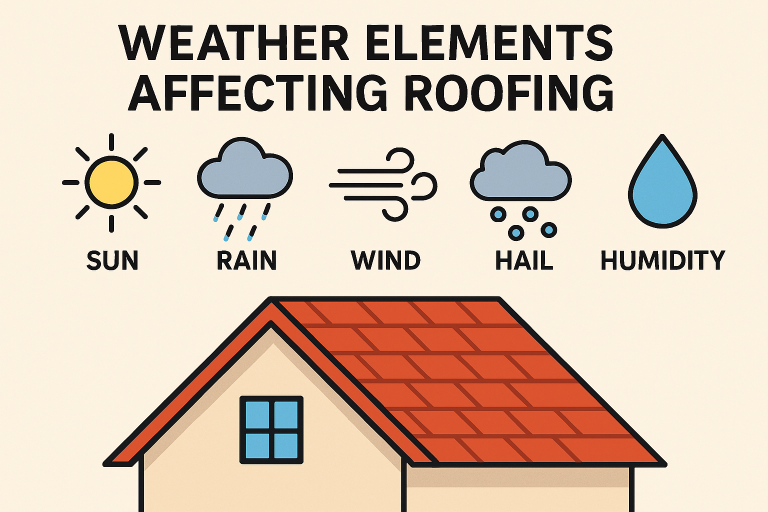
Roofing systems are your home’s first line of defense against the elements, but not all roofing materials perform equally under changing weather patterns. By understanding how sun, rain, wind, and temperature fluctuations influence your roof, you can make better choices about installation, materials, and maintenance to ensure long-lasting protection. To secure professional expertise tailored to your needs, companies like Long Horn Roofing provide valuable guidance and services for homeowners looking to invest in the longevity of their roofs.
Ignoring local climate effects on roofing can lead to higher repair costs, mold, leaks, or even premature replacement. Weather resilience isn’t only about surviving storms—it’s about consistent, strategic upkeep and selecting the right material for your home’s unique challenges. Whether you’re dealing with the scorching Texas sun, heavy snow, or seasonal humidity, your roof’s durability depends on anticipating these environmental factors.
Temperature Fluctuations
Frequent shifts between hot and cold can dramatically stress roofing materials. When roofing heats up, it expands; as it cools, it contracts. This cycle, known as thermal cycling, often causes asphalt shingles to crack, wood shakes to warp, and seals to loosen over time. For example, asphalt shingles can become brittle in cold climates and overly pliable in the heat, resulting in accelerated wear. Proper insulation and well-ventilated attics play a key role in moderating temperature swings, thereby reducing the likelihood of premature roof failure.
UV Exposure
Continuous sunshine is not always a blessing for your roof. Prolonged exposure to UV rays causes fading, granule loss on shingles, and accelerates material brittleness—especially in roofs with poor protective coatings. Reflective surfaces or UV-resistant coatings are essential for homes exposed to long hours of direct sunlight. These can significantly reduce UV degradation, prevent color fading, and extend the service life of your roofing materials, especially in sunbelt regions.
Precipitation
Rain, sleet, and snow each pose unique threats. Water infiltration is the leading cause of structural roof damage: minor cracks or unsealed areas quickly become entry points for water, leading to mold, wood rot, and even structural failure. Heavy snowfall can add weight and increase the risk of leaks if ice dams form along the eaves. Effective gutter systems, quality underlayment, and routine debris checks are your first line of defense. Learn more about winter weather preparation in this Consumer Reports Weather & Emergency Guide. Regular inspections after storms can help catch small issues before they escalate. Investing in professional maintenance ensures your roof remains durable and weather-resistant throughout the year.
Wind
From gentle breezes to hurricane-force gales, wind can cause shingles or tiles to lift, shift, or even fly off the roof entirely. The design and installation of your roofing system play critical roles in maintaining roof integrity during storms. Wind-resistant shingles, such as laminated or interlocking styles, offer a better grip and increased protection. Regular post-storm inspections are crucial for identifying and addressing minor damage before it escalates into severe issues.
Hail
Hailstorms strike fast and hard, inflicting visible dents and hidden fractures on shingles, metal panels, and tiles. Impact-resistant roofing materials are a smart investment for homeowners in hail-prone areas, as they can withstand repeated battering without deteriorating. Choosing qualified installers ensures the full protection of your selected materials against impact, reducing the risk of leaks and subsequent water damage.
Humidity
Persistent humidity—especially combined with poor attic ventilation—leads to moisture build-up, fostering an environment ripe for mold and wood rot. These issues are particularly prevalent in climates with muggy summers or consistently high rainfall. Optimal ventilation systems, vapor barriers, and regular attic inspections are essential for preventing moisture retention and maintaining the structural integrity of your roofing system.
Choosing the Right Materials
Not all roofing materials are created equal; local climate durability should guide your choice:
- Metal Roofing: Provides unparalleled resistance to wind, hail, and snow, making it a top choice for variable climates.
- Clay and Concrete Tiles: Prevalent in warmer, drier areas where resistance to fire and heat is essential.
- Slate Roofing: Valued for its longevity and high resistance to temperature extremes, it is an ideal option if your region experiences both heat waves and frost.
- Asphalt Shingles: Flexible and cost-conscious, but depend on proper insulation and ventilation for longevity in fluctuating climates.
Maintenance Tips
- Clean and inspect gutters seasonally to prevent water backups and ice damming.
- Seal visible cracks and replace damaged shingles promptly after storms or high winds.
- Schedule professional inspections annually to catch small issues early.
- Trim overhanging branches to reduce the risk of impact or shade-related mold.
Commitment to routine maintenance and weather-appropriate material selection significantly extends your roof’s lifespan and safeguards your investment for years to come.
Staying ahead of the weather with informed choices and preventive care helps you avoid costly repairs and ensures your home remains a safe, comfortable haven.

FOLLOW ME ON SOCIAL MEDIA


No comments:
Post a Comment
I love reading and responding to comments but in order to get my reply you must ensure you are NOT a no-reply blogger. If you are, here are some quick steps to change that!
1. Go to the home page of your Blogger account.
2. Select the drop down beside your name on the top right corner and choose Blogger Profile.
3. Select Edit Profile at the top right.
4. Select the Show My Email Address box.
5. Hit Save Profile.