

Table of Contents
- Key Takeaways
- Conserve Water
- Proper Waste Disposal
- Protect the Drain Field
- Landscaping Considerations
- Regular Inspections and Pumping
- Avoid Chemical Cleaners
- Divert Surface Water
- Educate Household Members
Key Takeaways
- Regular drain field maintenance prevents system failures and expensive repairs.
- Limiting water and chemical use, monitoring landscaping, and proper waste disposal support a healthy septic system.
- Scheduling professional inspections and educating household members are critical for long-term septic performance.
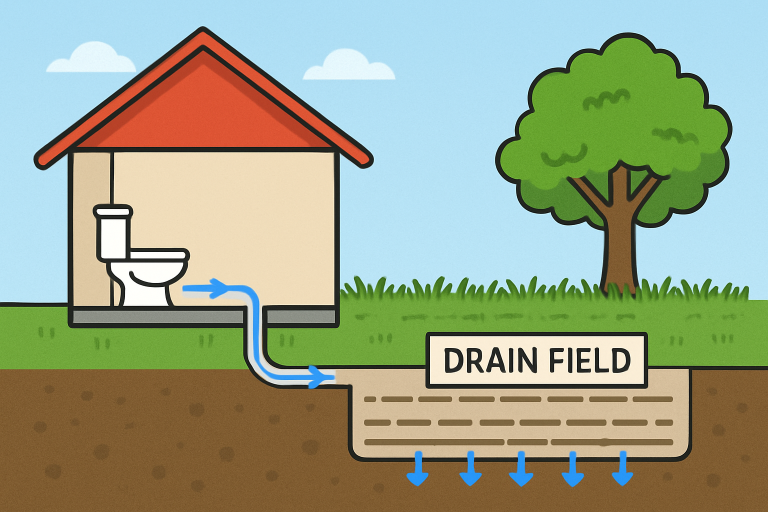
A residential drain field is a crucial part of your septic system, quietly working beneath your yard to safely and efficiently process wastewater. Many homeowners aren’t aware that proactive, easy-to-follow maintenance steps can add years to their system's lifespan and spare them costly emergencies. Implementing reliable practices and knowing when to seek help from local drain field services will ensure your drain field stays functional and environmentally safe. Routine care offers peace of mind and protects your home investment.
Neglecting simple maintenance can cause serious problems, such as soggy yards, foul odors, or wastewater backing up into your house. Staying informed and taking preventative action is far more cost-effective than dealing with a failed drain field. Understanding septic basics helps you avoid common mistakes, tailor water use, and recognize when to call professionals if something isn’t right. Florida homeowners, in particular, should be mindful of their unique climate and the potential for heavy summer rains, which can affect how effectively their drain field operates.
Conserve Water
A key component of residential drain field health lies in how water flows through your plumbing and into the yard. Excess water can overwhelm your septic system, reducing filtration efficiency and increasing the risk of failure. Conserve water by fixing leaky faucets and toilets promptly, choosing low-flow fixtures, and spreading laundry loads across the week. These simple habits ease the load on your drain field, allowing it to function as intended without risking backup or contamination.
- Install water-efficient toilets, showerheads, and dishwashers in your home.
- Regularly check for leaks in pipes and appliances that could add unnecessary water to your system.
- Encourage family members to reduce bathing times and run dishwashers or washing machines only with full loads.
For additional ideas on reducing your home’s water use and improving septic system health.
Proper Waste Disposal
Your drain field relies on a delicate balance of bacteria and soil filtration to process waste. Flushing anything other than human waste and toilet paper disrupts this balance, leading to costly blockages or system failure. Regular maintenance and professional septic services can help monitor this balance, identify early signs of trouble, and extend the life of your system. Never pour oils, fats, paint, or non-biodegradable products down your sinks or toilets. These materials break down slowly and can clog pipes and soil, reducing your drain field’s efficiency.
- Remind household members that wet wipes, sanitary products, dental floss, and chemicals should never be flushed.
- Limit your use of garbage disposals, as even biodegradable material can accumulate and overload your drain system.
- Compost kitchen scraps or dispose of them with regular trash rather than putting them down the drain.
Protect the Drain Field
Physical damage and soil compaction are among the most common causes of drain field failure. Avoid driving or parking vehicles, riding lawn mowers, or placing heavy landscaping equipment atop your drain field. Even temporary pressure from these sources compacts the soil, making it harder for wastewater to filter and disperse. Never construct patios, sheds, or paving over this area—such actions damage pipes and block necessary airflow for wastewater treatment.
- Rope off or clearly mark your drain field area to prevent accidental heavy traffic.
- Plan your outdoor projects to ensure nothing disturbs the drain field’s natural function.
Understanding the location and size of your system is essential to protecting it. If you're unsure, request a professional evaluation before starting any major yard work.
Landscaping Considerations
Thoughtful landscaping is critical to the health of the drain field. Grass is the safest choice to plant over a drain field because it has a shallow, non-invasive root system. Avoid planting deep-rooted plants, large shrubs, or trees near the septic area, as roots naturally seek out and infiltrate moist drain lines. Tree root intrusion is a leading cause of cracked pipes and expensive repairs.
- Choose drought-tolerant grass to minimize your need for additional watering and mowing.
- Keep flowers, shrubs, and trees at least 20 feet away from the edge of the drain field.
- Consult with a landscape professional to select suitable low-root plants if you desire more greenery in the area.
Regular Inspections and Pumping
Routine professional inspections are the most effective step you can take to prolong the lifespan of the drain field. Septic specialists will look for early signs of trouble, such as drainage slowdowns, tank overflows, or system wear. Experts recommend scheduling an inspection every 1 to 3 years and septic tank pumping every 3 to 5 years, depending on household size and water usage.
- Keep detailed records of all inspections, maintenance, and repairs for future reference.
- Follow any recommendations your service provider makes to address minor problems before they escalate.
Avoid Chemical Cleaners
Harsh chemicals—from common cleaners to paint thinners or solvents—kill the beneficial bacteria your system depends on. Without these bacteria, the septic tank cannot properly break down waste, leading to clogs or system malfunctions. Opt for septic-safe, biodegradable cleaning products for everyday use, and always dispose of chemicals at designated facilities rather than pouring them down the drain.
- Read product labels and select those explicitly marked “septic safe.”
- Use natural alternatives, like vinegar or baking soda, for household cleaning tasks.
Divert Surface Water
Excess surface water from rain, gutters, or landscape irrigation can quickly saturate your drain field, preventing it from filtering wastewater efficiently. Waterlogged conditions can push untreated sewage to the ground surface or back up into your home. Keep roof gutters, downspouts, and yard drains directed away from the drain field, and verify your yard’s grading encourages water to flow away from this sensitive area.
- Inspect your property after heavy rains to ensure there is no pooling water near the drain field.
- Make adjustments to your landscaping or drainage system as needed to safely divert surface water.
Educate Household Members
Lasting drain field health hinges on the actions of everyone living or working at your property. Hold a brief household meeting to explain what is safe to flush or drain, stress the importance of water conservation, and encourage prompt reporting of leaks or suspicious plumbing issues. Place reminder signs in bathrooms or kitchens when necessary, especially for guests or new family members. Ongoing education ensures everyone adopts good habits and supports your home’s long-term resilience.
- Share maintenance tips and checklists with household members and visitors.
- Keep emergency contact information for septic specialists handy and easy to find.
By adopting these proactive tips, homeowners can safeguard their investment, reduce environmental risks, and avoid unnecessary stress. Consistent maintenance and prompt professional assistance when needed are the cornerstones of a healthy, reliable drain field and septic system.

FOLLOW ME ON SOCIAL MEDIA


No comments:
Post a Comment
I love reading and responding to comments but in order to get my reply you must ensure you are NOT a no-reply blogger. If you are, here are some quick steps to change that!
1. Go to the home page of your Blogger account.
2. Select the drop down beside your name on the top right corner and choose Blogger Profile.
3. Select Edit Profile at the top right.
4. Select the Show My Email Address box.
5. Hit Save Profile.