

Key Takeaways
- Digital tools like intraoral scanners and 3D printing are improving diagnostic accuracy and treatment efficiency.
- Artificial intelligence (AI) aids in the early detection of dental issues, thereby improving patient outcomes.
- Teledentistry expands access to care, especially for underserved populations.
Modern dentistry is undergoing a significant transformation as digital technology becomes part of standard practice. With the integration of innovative tools and software, dental professionals can now diagnose, treat, and communicate with patients more efficiently than ever before. For those seeking expertise in restorative and cosmetic procedures, finding a trusted prosthodontist in Boston is easier, and outcomes are improving due to these digital advancements.
From detailed digital images that replace uncomfortable impressions to artificial intelligence that aids in diagnostics, the landscape of dental care is evolving rapidly. These changes are not just about new gadgets; they are about providing patients with better, more personalized care and making treatment options more accessible to everyone.
Whether you are a patient exploring new treatment options or a dental professional looking to stay ahead in a fast-changing field, understanding how digital tools enhance oral health is essential. The journey of modern dentistry, fueled by technology, is creating benefits at every step, from check-ups to complex restorations.
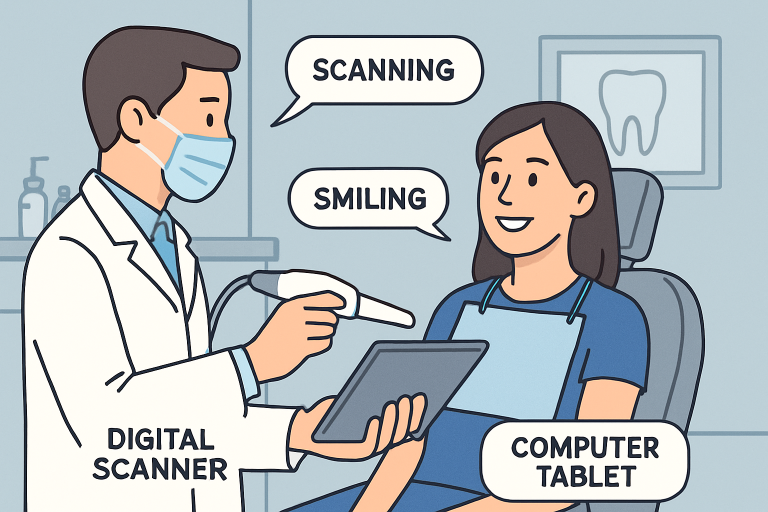
Intraoral Scanners: Enhancing Diagnostic Precision
Digital intraoral scanners have largely replaced the discomfort and imprecision of traditional dental molds. These scanners create detailed three-dimensional images of oral structures, giving dentists and patients instant insight. With real-time visuals, dental professionals can detect even minor irregularities, improving diagnostic accuracy and paving the way for more predictable treatment outcomes. The National Institute of Dental and Craniofacial Research notes that these technologies enable more efficient and precise dental care.
3D Printing: Revolutionizing Dental Prosthetics
3D printing has revolutionized the manufacturing of dental prosthetics, such as crowns, bridges, and dentures. With sophisticated printers and biocompatible materials, dental labs now produce custom appliances with unparalleled accuracy and speed. Patients benefit from quicker turnaround times for permanent restorations and better-fitting devices, which improve overall comfort. Research from the American Dental Association shows the technology’s rapid rise, with a significant percentage of dental practices adopting 3D printers for daily use.
Artificial Intelligence in Dentistry: Early Detection and Treatment Planning
Artificial intelligence is quickly becoming a valuable co-diagnostician in modern dental offices. AI systems can detect conditions like early-stage cavities, oral cancer, and periodontal disease by analyzing radiographs and digital images far faster than the human eye. These advances not only aid early detection but also inform treatment planning by providing objective data to support the clinician’s decisions. The National Institute of Dental and Craniofacial Research notes that AI is paving the way for more personalized and proactive dental care strategies.
Teledentistry: Expanding Access to Care
Teledentistry breaks down barriers to care by connecting patients with dental professionals through secure video platforms and digital communication. Particularly beneficial for rural communities and people with mobility challenges, teledentistry enables remote assessments, follow-ups, and professional guidance without the need for in-person visits. This shift is essential for improving oral health equity and supporting continuous care even as dental needs evolve. Recent studies underscore teledentistry’s potential to improve accessibility and outcomes, especially for underserved populations.
Data Integration: Linking Dental and Medical Records
Seamless data integration is crucial for holistic healthcare. Digital platforms that link dental and medical records empower healthcare providers to consider the full picture of a patient’s health. This connectivity enables better management of systemic diseases linked to oral health, such as diabetes and cardiovascular disease. According to the National Institute of Dental and Craniofacial Research, improved infrastructure for connecting health professionals is foundational for the future of comprehensive dental care.
Improving Patient Experience with Digital Tools
Patients are benefiting from less invasive, more comfortable, and faster dental visits thanks to digital advancements. Digital records streamline interactions among dentists, specialists, and patients, enabling efficient second opinions and smooth transitions of care. Tools like intraoral scanners not only remove the need for messy impressions but also allow patients to see digital renderings of their treatment plans. This transparency helps with decision-making and can reduce the anxiety often associated with dental procedures.
Future Trends in Digital Dentistry
Looking ahead, dentistry is poised for even more significant changes. Augmented reality is being developed for dental education and treatment planning, providing immersive training for dental professionals. Robotic-assisted surgery is also on the horizon, offering greater accuracy in procedures like dental implant placement. Wider adoption of AI and innovative diagnostics is expected, further personalizing care and detecting issues even earlier. The American Dental Association forecasts robust development in these areas as digital dentistry matures.
Final Thoughts
Digital technology is not just transforming how dental care is delivered; it is improving outcomes and making oral health more accessible to all. With advances in imaging, AI, remote care, and data integration, today's dental patients can expect more precise diagnoses, faster treatments, and greater comfort. As technology progresses, the future of dentistry is set to become even brighter and more inclusive.

FOLLOW ME ON SOCIAL MEDIA


No comments:
Post a Comment
I love reading and responding to comments but in order to get my reply you must ensure you are NOT a no-reply blogger. If you are, here are some quick steps to change that!
1. Go to the home page of your Blogger account.
2. Select the drop down beside your name on the top right corner and choose Blogger Profile.
3. Select Edit Profile at the top right.
4. Select the Show My Email Address box.
5. Hit Save Profile.