

Table of Contents
- Seal Air Leaks
- Adjust Thermostat Settings
- Upgrade to Energy-Efficient Appliances
- Optimize Water Heater Usage
- Utilize Natural Lighting
- Implement Smart Home Technology
- Perform Regular Maintenance
- Consider Renewable Energy Sources
Rising home energy bills can put a strain on any household budget, especially amid dramatic seasonal temperature shifts. Many homeowners underestimate how small changes in habits and targeted improvements can lead to significant cost savings. Whether you're focused on immediate tactics or long-term efficiency upgrades, adopting intentional energy-saving measures helps ensure your comfort, boosts your home's value, and protects the environment. To identify opportunities tailored to your home, consider certified home energy audit services in Kansas City for expert guidance and actionable recommendations.
Achieving meaningful energy savings starts with a combination of practical changes, smart investments, and an understanding of your home’s unique needs. Improving your home's insulation, upgrading old appliances, and embracing modern technology can create an environment where efficiency and comfort go hand in hand. Even simple practices, like adjusting your thermostat or using natural light, can cut costs substantially over the course of a year. Taking these steps adds up to financial relief, greater comfort, and a reduced carbon footprint for your household.
Beyond personal savings, reducing home energy use has a broad environmental impact, decreasing reliance on fossil fuels and supporting a cleaner future. As technology evolves, innovative solutions become more accessible making it easier than ever to identify areas for improvement. For those just beginning to tackle energy waste, starting with small, low-cost initiatives delivers quick wins and builds momentum for larger projects.
With these elements in mind, this comprehensive guide details the most effective strategies to reduce your home energy bills and enjoy year-round benefits.
Seal Air Leaks
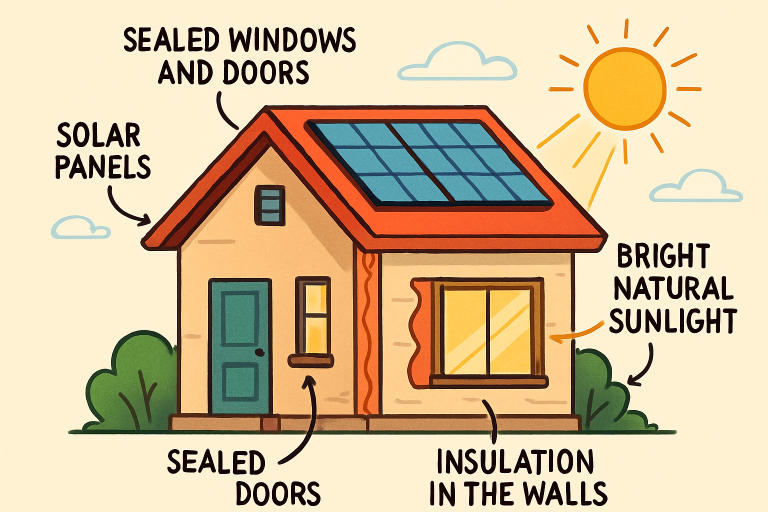
Unsealed gaps around windows, doors, and utility penetrations allow conditioned air to escape, forcing your heating and cooling systems to work harder. Caulking cracks and installing weatherstripping can significantly reduce air leakage. According to the U.S. Department of Energy, sealing air leaks can save the average homeowner 10% to 20% on heating and cooling expenses annually. Pay particular attention to the attic, basement, and around exterior doors these areas often account for the most energy loss. During a home audit, professionals can use tools like blower doors to identify the most problematic leak points in your home's envelope.
Adjust Thermostat Settings
The way you set your thermostat can have a dramatic effect on your energy bill. In winter, lowering your thermostat by 7°-10°F for 8 hours a day can save up to 10% annually. During the summer, setting it higher while away offers similar results. Programmable thermostats can automate these adjustments, ensuring optimal efficiency without sacrificing your comfort. Smart thermostats go a step further by learning your routine and proactively adjusting temperatures, offering both convenience and maximum savings.
Upgrade to Energy-Efficient Appliances
Older appliances, especially refrigerators, washers, and dryers, are often far less efficient than newer models. ENERGY STAR-certified appliances are rigorously tested and proven to use less electricity and water. For example, an ENERGY STAR refrigerator typically uses about 15% less energy than a standard model. Over time, this translates into noticeable savings on monthly bills and benefits the environment by reducing energy demand. When shopping, always compare the EnergyGuide labels to make informed choices on efficiency ratings.
Optimize Water Heater Usage
Water heating is the second-largest expense in most homes, making up roughly 14% of total energy use. Lowering the water heater temperature to 120°F can prevent scalding and cut energy usage without affecting comfort. Insulating your water heater and the first few feet of hot and cold water pipes minimizes heat loss, providing additional savings. Simple changes, such as fixing leaky faucets and using cold water for laundry, also reduce waste and lower costs year-round.
Utilize Natural Lighting
Taking advantage of free natural sunlight reduces the need for artificial lighting and cuts electric use. Open curtains and blinds during the day, especially on south- and east-facing windows, to flood rooms with daylight and decrease dependence on lamps and overhead lights. In darker spaces, consider installing skylights or light tubes for increased illumination. Beyond savings, natural light improves mood and ambiance, creating a more pleasant environment for your household.
Implement Smart Home Technology
Modern technology offers new ways to monitor and control energy consumption. Smart plugs, thermostats, and home energy monitors give you real-time feedback about usage and can help pinpoint wasteful habits. Many devices can be controlled from your smartphone, letting you effortlessly shut down electronics that aren't in use even when you're not home. Some smart thermostats even qualify for rebates or incentives from local utilities, further boosting financial benefits.
Perform Regular Maintenance
Routine service on your HVAC system, such as changing filters and cleaning coils, ensures efficient operation and extends the system's lifespan. Clogged filters and dirty ducts force your equipment to work harder, wasting energy and potentially leading to expensive repairs. Similarly, periodic maintenance of other appliances, including cleaning refrigerator coils and checking for leaks on water heaters, is crucial for both safety and efficiency. Annual professional checkups are a wise investment that catch small issues before they escalate and help maintain peak performance.
Consider Renewable Energy Sources
Transitioning to renewable energy, such as installing solar panels on your roof, offers one of the largest long-term reductions in utility bills. Though the upfront investment can be significant, state and federal incentives, as well as utility rebates, may offset much of the initial cost. Over time, generated energy can cover much of your household's needs and sometimes allow you to sell excess power back to the grid. Adopting renewables not only protects against rising energy prices but also significantly reduces your household’s environmental footprint.
By embracing these strategies, you can minimize your home’s energy use without sacrificing comfort or quality of life. The key is to take a proactive approach, combining small, everyday changes with larger, strategic improvements to maximize efficiency and long-term savings.
Conclusion
Reducing your home energy bills doesn’t require dramatic changes; it just requires smart planning, thoughtful upgrades, and consistent habits. By sealing leaks, optimizing appliances, and making the most of natural resources, you can create a more efficient and comfortable living space year-round. Integrating smart technology, staying on top of maintenance, and exploring renewable energy options further amplify both cost savings and environmental benefits. Whether you start with quick, budget-friendly fixes or invest in long-term improvements, every step toward greater efficiency contributes to lasting financial relief and a more sustainable home. With the right strategy and support, such as professional home energy audits when needed, you’re well-equipped to enjoy lower bills, increased comfort, and a greener future for your household.

FOLLOW ME ON SOCIAL MEDIA


No comments:
Post a Comment
I love reading and responding to comments but in order to get my reply you must ensure you are NOT a no-reply blogger. If you are, here are some quick steps to change that!
1. Go to the home page of your Blogger account.
2. Select the drop down beside your name on the top right corner and choose Blogger Profile.
3. Select Edit Profile at the top right.
4. Select the Show My Email Address box.
5. Hit Save Profile.