

Key Takeaways
- Truck accidents are far more likely than car accidents to cause permanent, life-changing injuries due to the sheer size and weight of commercial trucks.
- Common catastrophic injuries include traumatic brain injuries, spinal cord injuries, amputations, and severe internal organ damage.
- Factors such as driver fatigue, improper cargo loading, and extended stopping distances contribute significantly to the severity of truck accident outcomes.
- Prevention measures such as enhanced driver training, routine vehicle maintenance, and strict adherence to safety regulations can reduce both the frequency and the toll of truck accidents.
- Victims have legal recourse and should seek guidance from experienced professionals to secure compensation for their losses.
Table of Contents
- The Sheer Size and Weight of Trucks
- Common Permanent Injuries Resulting from Truck Accidents
- Factors Contributing to the Severity of Truck Accidents
- Real-Life Consequences of Truck Accidents
- Preventative Measures to Reduce Truck Accidents
- Legal Recourse for Victims
- Conclusion
The Sheer Size and Weight of Trucks
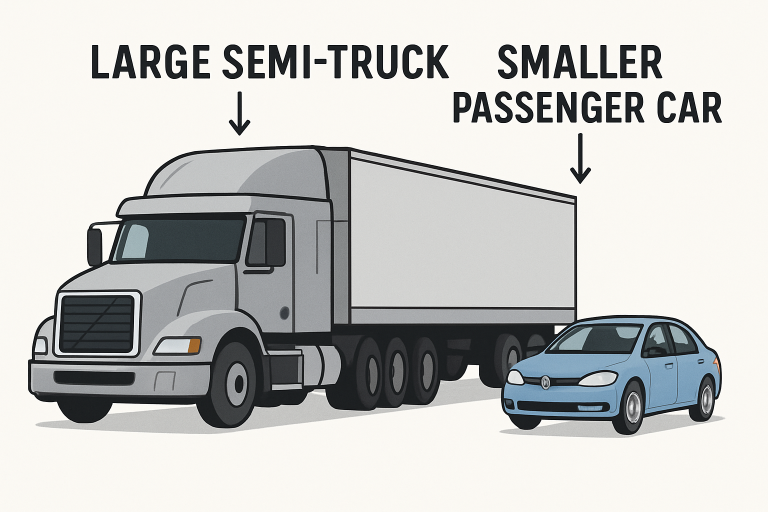
Every year, thousands of truck accidents occur across the country, often with devastating consequences. Unlike typical car crashes, accidents involving large commercial vehicles, such as tractor-trailers, almost always result in greater damage and a higher risk of lifelong injuries. The size and weight disparity between trucks and passenger cars is immense, and in any collision, smaller vehicles and their occupants are at a severe disadvantage. If you or someone you love has suffered in a wreck like this, consulting with the right Atlanta truck accident lawyers can be crucial for navigating recovery and your legal options.
A fully loaded semi-truck can weigh up to 80,000 pounds, compared to the average car’s 3,000 to 4,000 pounds. This enormous difference means trucks carry much higher kinetic energy, exerting extreme force in a crash. Because of this, vehicle structure and safety features that work well in most car-on-car collisions may provide little protection in a truck crash. The high center of gravity of trucks also amplifies the risk of rollover or jackknife accidents, increasing both the unpredictability and the potential for injuries.
The increased stopping distance needed for trucks further complicates matters. Trucks require considerably more space to halt in emergencies, making rear-end collisions with smaller vehicles more frequent and often more disastrous. These factors combine to make truck accidents some of the most catastrophic events on the road.
The threat is not only theoretical. Data from the Federal Motor Carrier Safety Administration shows that although trucks account for a small fraction of vehicles, they are involved in a disproportionate number of deadly and permanently disabling crashes each year (FMCSA Crash Facts).
Common Permanent Injuries Resulting from Truck Accidents
Catastrophic injuries are sadly common in severe truck-related accidents. Some injuries are so extensive that the effects last a lifetime, requiring ongoing care, rehabilitation, and adaptive equipment. Common examples include:
- Traumatic Brain Injuries (TBI): The jarring forces of a truck collision can lead to concussions, contusions, or penetrating injuries in the brain. Victims often face issues such as memory loss, diminished cognitive abilities, or permanent personality changes.
- Spinal Cord Injuries: Damage to the spinal cord frequently results in paralysis (either partial or complete), loss of motor function, and chronic pain. This category of injury may require lifelong medical assistance and rehabilitation.
- Amputations: The crushing force or sharp metal involved in a truck crash can result in traumatic limb loss. Recovery involves surgeries, prosthetics, and adjusting to life with permanent physical limitations.
- Internal Organ Damage: High-speed or high-impact crashes can crush internal organs such as the lungs, heart, or liver, leading to internal bleeding, organ failure, or the need for emergency surgeries to save a victim’s life.
Factors Contributing to the Severity of Truck Accidents
Various factors make truck accidents more severe than typical collisions. These include:
- Driver Fatigue: Truck drivers often work long hours with limited breaks. Fatigue can slow reflexes, impair judgment, and contribute to microsleeps, dramatically raising the risk of devastating accidents.
- Improper Loading: Overloaded or poorly balanced cargo can easily shift during transit, destabilizing the truck and increasing the likelihood of rollovers or jackknife incidents.
- Limited Maneuverability: Large trucks need more space to turn and change lanes, which may leave drivers unable to avoid unexpected hazards quickly.
- Extended Stopping Distances: Heavy trucks cannot stop as quickly as cars, leading to fatal rear-end collisions and multi-vehicle pileups in heavy traffic.
For those interested in learning more about the technical and regulatory factors influencing truck safety, the National Highway Traffic Safety Administration provides data and guidelines to prevent large-truck accidents nationwide.
Real-Life Consequences of Truck Accidents
Truck accident statistics are not just numbers; they represent real families, communities, and lives shattered or forever changed by these events. In June 2023, an incident in Londiani, Kericho County, Kenya, illustrated this vividly when an out-of-control lorry collided with multiple vehicles and pedestrians, resulting in at least 52 fatalities and numerous serious injuries. Such devastating stories highlight the extreme harm trucks can cause when safety is compromised.
Preventative Measures to Reduce Truck Accidents
Many steps can be taken to reduce the risk and impact of truck accidents on America’s roads. Effective prevention includes:
- Strict Adherence to Rest Regulations: Ensuring drivers comply with federal and state rest requirements helps prevent fatigue-related accidents.
- Proper Cargo Loading and Securing: Rigorous inspection protocols and adequate securing of all cargo minimize the risk of load shifts and rollovers.
- Enhanced Driver Training: Comprehensive safety training for truck drivers emphasizes defensive driving, safe stopping distances, and emergency maneuvering.
- Regular Vehicle Maintenance: Periodic inspections and maintenance checks identify and resolve mechanical issues before they result in a crash.
Legal Recourse for Victims
Individuals harmed in truck accidents have the right to pursue compensation for their injuries, lost wages, medical expenses, and long-term suffering. Claims can be made against truck drivers, freight companies, or other liable parties. However, truck accident cases are complex due to multiple parties and insurance policies involved. Victims should seek out attorneys with a proven track record in this area to help them secure fair compensation and protect their rights.
Conclusion
The catastrophic nature of truck accidents is closely tied to the immense size, weight, and momentum of commercial trucks, made worse by driver fatigue and improper loading. Permanent injuries from these events change lives forever, highlighting the need for rigorous safety protocols, driver training, and legal protections for victims. By staying informed and taking preventive action, both drivers and trucking companies can work together to reduce the frequency and severity of these life-altering accidents dramatically.

FOLLOW ME ON SOCIAL MEDIA


No comments:
Post a Comment
I love reading and responding to comments but in order to get my reply you must ensure you are NOT a no-reply blogger. If you are, here are some quick steps to change that!
1. Go to the home page of your Blogger account.
2. Select the drop down beside your name on the top right corner and choose Blogger Profile.
3. Select Edit Profile at the top right.
4. Select the Show My Email Address box.
5. Hit Save Profile.