

Key Takeaways
- Poor posture can contribute to chronic pain, fatigue, and a reduced quality of life.
- Misalignment can impact both physical and mental health.
- Simple habits and professional advice can prevent and manage posture-related problems.
Table of Contents
- The Hidden Consequences of Poor Posture
- Physical Health Implications
- Mental Health and Emotional Well-being
- Posture in the Digital Age
- Simple Steps to Improve Posture
- When to Seek Professional Help
- Final Thoughts
The Hidden Consequences of Poor Posture
It’s easy to think of posture as nothing more than the way we look when we sit or stand, but its effects run much deeper than appearance. Persistent poor posture can lead to a cascade of health problems, gradually eroding both your physical and emotional well-being over time. The body relies on proper alignment to function efficiently—without it, daily activities and overall health can suffer. From chronic aches to disrupted internal processes, the hidden costs of poor posture can be steep. For residents seeking to restore healthy alignment, ChiroCare of Florida Injury and Wellness Centers offers expert guidance and care to help prevent these issues before they become lasting concerns.
Many overlook just how significantly misalignment can disrupt common activities. Simple acts, such as working at a desk, picking up groceries, or even taking a walk, become strained when your posture falters. Over time, this leads to physical limitations, discomfort, and a gradual reduction in quality of life. Addressing posture concerns early means taking a proactive approach to one’s overall well-being.
The risks aren’t limited to physical discomfort. According to Harvard Health Publishing, poor posture can play a major role in the development of spinal degeneration, exacerbate injuries, and contribute to ongoing pain. Acknowledging the hidden consequences is the first step toward lasting health improvement.
It’s also critical to recognize that posture problems can impact more than just the musculoskeletal system. Habitual slouching or tech neck can increase your susceptibility to headaches, digestive sluggishness, and even shallow breathing.
Physical Health Implications
Muscle Imbalances and Chronic Pain
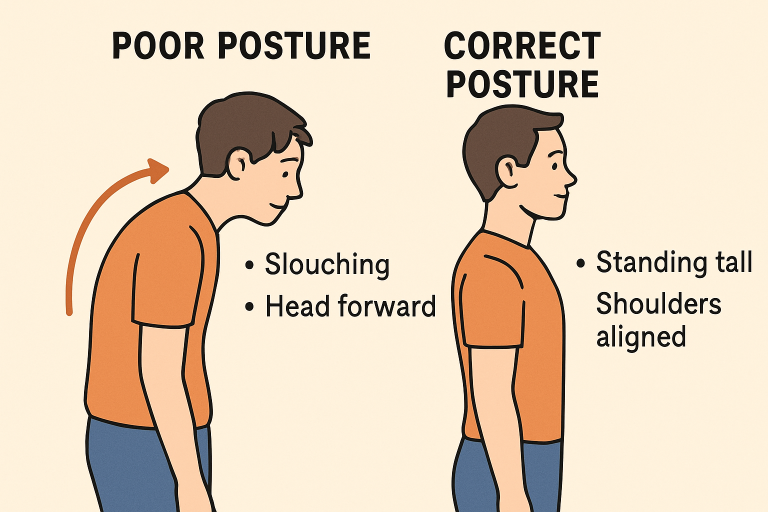
Consistently poor posture, such as slouching while using a computer or looking down at a phone, causes certain muscles to overcompensate, while others weaken due to a lack of engagement. This results in muscle imbalances, leading to chronic pain, stiffness, and limited mobility. Over time, these imbalances increase the risk of injury as the body becomes increasingly misaligned.
Joint Strain and Degeneration
Misalignment doesn't only affect muscles—it also places undue pressure on the joints. Over the years, this added stress can accelerate the breakdown of cartilage, thereby predisposing individuals to degenerative conditions such as arthritis. Activities that once were pain-free may start to trigger discomfort in the neck, shoulders, lower back, and hips, making daily movements more taxing.
Reduced Lung Capacity and Fatigue
Slouching or maintaining a forward head posture compresses the chest and diaphragm, reducing lung capacity. This can lead to insufficient oxygen intake, causing fatigue and a general sense of sluggishness. Proper alignment, on the other hand, allows for deeper breaths and better oxygenation, supporting energy throughout the day. Research highlighted by Mayo Clinic underscores the link between posture and respiratory function.
Mental Health and Emotional Well-being
The mind-body connection means that posture isn’t just a physical issue; it also affects mental well-being. Poor posture is often associated with increased stress, a lower mood, and reduced confidence. Studies have shown that slouching while sitting or walking can amplify feelings of sadness and fatigue, while standing and maintaining an upright posture fosters greater self-esteem and resilience to stressors. For some, improving posture may even be a simple way to improve mental clarity and outlook on life.
Posture in the Digital Age
As technology use escalates, so does the prevalence of posture-related problems—many workers and students spend hours hunched over screens, leading to what’s known as “tech neck.” This syndrome is associated with tension headaches, tight shoulders, and chronic neck pain, and its long-term effects are only beginning to be fully understood. It is now more vital than ever to intermittently assess and correct posture during screen time. Employers and families alike should promote ergonomically sound setups and reminders to stand, stretch, and move frequently.
Simple Steps to Improve Posture
- Mindful Sitting: When sitting, keep your back straight, shoulders relaxed, feet flat on the floor, and your screen at eye level. Adjust your seat height to support your natural spinal curve.
- Regular Breaks: Set a timer to stand, stretch, and move every hour. Simple stretches and short walks can break the cycle of poor posture and refresh both your body and mind.
- Strengthening Exercises: Focus on core strength by incorporating exercises like planks, bird dogs, and bridges to help stabilize your spine and promote healthy posture.
Making these habits a part of your daily routine can dramatically reduce your risk of posture-related health problems, particularly when paired with ergonomic workspaces and supportive footwear.
When to Seek Professional Help
If you experience persistent pain, stiffness, or other symptoms associated with poor posture, it’s essential to address the issue promptly. Chiropractors and physical therapists provide individualized care, addressing the root of misalignment with targeted treatments, stretches, and strengthening plans. They can identify problem areas and teach corrective exercises that lead to long-term improvement.
Taking these steps can not only relieve current discomfort but also prevent the chronic issues that often result from neglected posture problems.
Final Thoughts
Good posture serves as the foundational support system for your body. By staying mindful of alignment, taking proactive steps, and seeking guidance when needed, you can prevent many of the hidden health issues associated with poor posture. Taking control of your alignment now will pay dividends in your comfort, energy, and sense of well-being for years to come.

FOLLOW ME ON SOCIAL MEDIA


No comments:
Post a Comment
I love reading and responding to comments but in order to get my reply you must ensure you are NOT a no-reply blogger. If you are, here are some quick steps to change that!
1. Go to the home page of your Blogger account.
2. Select the drop down beside your name on the top right corner and choose Blogger Profile.
3. Select Edit Profile at the top right.
4. Select the Show My Email Address box.
5. Hit Save Profile.