

Key Takeaways
- Identify foundational lifestyle priorities to define your ideal community, encompassing recreation opportunities, convenience, and a sense of belonging.
- Research amenity offerings, school quality, neighborhood safety, and long-term development plans to avoid surprises after moving in.
- Get insider perspectives by engaging with current residents and visiting neighborhoods in person at different times of day.
Choosing the right community is just as important—if not more so—than selecting your dream home. Where you live shapes your daily routines, influences your social life, and deeply affects your long-term happiness. Your surroundings don’t just dictate how you move through your days but also play a pivotal role in the overall value of your investment. As the demand for homes that blend lifestyle and convenience grows, today’s homebuyers are looking beyond the obvious features, such as curb appeal and modern floor plans. They’re searching for communities that match their lifestyle aspirations and values. Whether you’re relocating across the country, moving for a new job opportunity, or settling down in your forever home, understanding how to identify a community that fits your needs is absolutely essential. Begin exploring by considering destinations like Arlington Heights homes for sale, where thriving neighborhoods provide an abundance of city amenities right at your doorstep, offering a blend of suburban charm and urban access.
Your lifestyle impacts every aspect of your living experience — from your morning walk around the block to your work commute and even your weekend recreation plans. The right community offers the amenities, atmosphere, and convenience that match your top priorities, making each day more enjoyable and stress-free. By thoughtfully assessing your lifestyle needs and systematically evaluating different neighborhoods, you ensure that you invest in a location where you’ll truly thrive for years to come, rather than just settling for a house that happens to be available.
Assess Your Lifestyle Needs
Start by outlining your must-haves and nice-to-haves in a community—a vital step before diving into home listings. Think about whether you enjoy active, bustling environments or if you’d prefer the serenity of a quiet retreat. Do you envision yourself walking to local shops and coffeehouses, or would you prefer the option to drive a short distance for all your needs? Proximity to your workplace, access to reliable public transportation, the quality of local school districts, availability of outdoor recreation, and closeness to your favorite retail or dining spots should all weigh heavily in your decision. According to recent data from the National Association of Home Builders, more than half of buyers express a preference for suburban locations, drawn by their reputation for striking a balance between convenience and tranquility.
Are you an outdoor enthusiast who loves taking spontaneous hikes, bike rides, or visiting nearby parks and green spaces? Or are you all about urban living, craving nightlife, cultural attractions, and walkability to restaurants and entertainment? Some buyers are drawn to vibrant, social communities filled with events, while others desire peace and privacy above all else. Defining your unique criteria early on helps narrow your search considerably and prevents costly mistakes down the road. Write down your top priorities, rank them by importance, and share your vision with your real estate agent. They’re your partner in the search—not just for a house, but for a neighborhood that matches your life goals and aspirations.
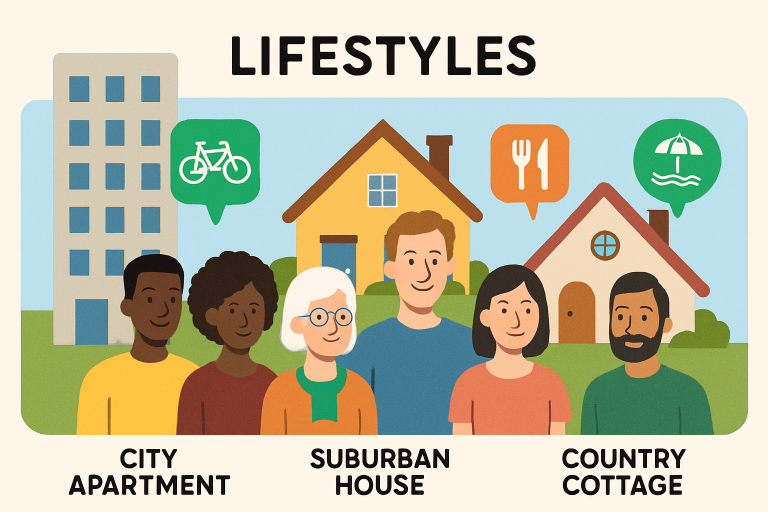
Research Neighborhood Amenities
Community amenities have a direct impact on your daily satisfaction. Look for neighborhoods that provide easy access to parks, green spaces, and community gardens if nature and the outdoors are a priority for you. Consider the presence of fitness centers, pools, dog runs, tennis courts, and communal gathering spaces, which can foster a sense of camaraderie with your neighbors. Access to public libraries and community centers can also greatly enhance local life, offering ongoing learning opportunities and events for people of all ages. Today, 70% of prospective homebuyers say they want vibrant, connected communities full of social opportunities and recreational options—a clear indication that amenities shape both daily and long-term satisfaction.
Don’t overlook practical elements either—being close to shopping, dining, healthcare services, and workplace hubs can make your life significantly easier, especially for busy professionals or families on the go. For parents, childcare and after-school activity options are equally important. Take time to research community calendars or social media pages for local clubs, classes, and events, as these can offer insight into the type of lifestyle and connections you can expect to build.
Evaluate Safety and Security
Safety is a non-negotiable for most homebuyers, impacting both your peace of mind and your property’s value. To get a realistic sense of neighborhood safety, access up-to-date crime data through city law enforcement websites, public databases, or local government resources. Take the time to read local news reports or community online forums to gain additional context on safety perceptions. If you have children or live alone, this step is especially vital. Don’t hesitate to reach out to local police officers or community liaisons—they’re often happy to share information on crime rates and ongoing safety initiatives.
Visiting local parks, playgrounds, or attending neighborhood association meetings and events can also help you gauge the area’s reputation and your own comfort level, especially after dark. Observe how well public spaces are maintained and whether neighbors appear engaged and watchful. Simple observations, such as the number of people walking in the evening or children playing freely in yards, can speak volumes about the underlying sense of security.
Consider Future Developments
Before committing to a community, research the area's future development plans to ensure a good fit. Infrastructure improvements, new school construction, or planned retail and commercial centers can influence property values and change the character of a neighborhood—for better or worse. While projects like expanded public transit or new recreation spaces can add convenience and boost appreciation over time, major roadwork or dense commercial development might increase noise or traffic, potentially compromising your sense of peace. Local city planning commissions or municipal websites often provide notices about upcoming projects and zoning changes, giving you a heads-up on how the area might evolve. It’s also wise to keep tabs on local news outlets for the latest community updates and infrastructure announcements that could shape your decision-making.
Engage with the Community
No online research can substitute for firsthand experience. Plan multiple visits to target neighborhoods at different times—weekday mornings, rush hour evenings, and weekends—to get a true feel for everyday rhythms and lifestyles. Observe traffic patterns, noise levels, and the accessibility of parks or services at various times of day. Try to attend open houses, local festivals, or community events to observe how residents interact and determine whether the general atmosphere aligns with what you're looking for in a long-term home. Don’t be shy about striking up conversations at neighborhood parks, grocery stores, or farmers’ markets—current residents’ candid insights usually reveal what it’s actually like to live there. They can share perspectives on community spirit, local traditions, and daily conveniences that you won’t find in online listings or promotional materials.
Consult with Real Estate Professionals
Experienced local real estate agents are your secret weapon. They possess an insider’s understanding of market trends, neighborhood reputations, and which areas are known for specific amenities or lifestyles. These professionals often know about up-and-coming communities with hidden gems you might otherwise overlook. Real estate professionals can also connect you with trusted resources to evaluate school ratings, typical commute times, property tax implications, and in-depth neighborhood profiles. Don’t hesitate to ask for personalized neighborhood tours or to request introductions to residents who can provide honest feedback about their experiences living in the community.
Conclusion
Finding a community tailored to your lifestyle requires thorough and thoughtful exploration, as well as a willingness to look beyond the basics. Align your search with what matters most—outstanding schools, urban conveniences, peaceful green spaces, or vibrant community events—by being intentional with your research. Dive deep into local resources, leverage insights from experts, and spend time walking the neighborhoods you’re considering. By focusing on these essentials, you’re more likely to find not just a house, but a true home base where your life unfolds—one that enriches your days and supports your dreams long term.

FOLLOW ME ON SOCIAL MEDIA


No comments:
Post a Comment
I love reading and responding to comments but in order to get my reply you must ensure you are NOT a no-reply blogger. If you are, here are some quick steps to change that!
1. Go to the home page of your Blogger account.
2. Select the drop down beside your name on the top right corner and choose Blogger Profile.
3. Select Edit Profile at the top right.
4. Select the Show My Email Address box.
5. Hit Save Profile.